

Officina
L’Officina è un luogo di lavoro e confronto dedicato allo studio, alla trasformazione e alla rappresentazione dei territori non metropolitani (montani e non), often defined by stereotypes—e.g., “fragile,” “marginal,” “minor,” “peripheral”—or for which interpretations are taking shape through homogeneous processes that have yet to be verified (“resurgence,” “return,” “repopulation,” “abandonment,” etc.). It serves to review and repair – just as happens in a workshop – of methods and tools that are now commonly used in public discourse and in professional work in local communities.
IN OFFICINA SI FA LA REVISIONE CRITICA AI METODI DI LAVORO SUL TERRITORIO.
WHAT THE OFFICINA (WORKSHOP) DOES The Workshop aims to integrate three aspects of its work: study, act, and represent. This means working in an interdisciplinary and critical manner, acknowledging complexities and seeking to broaden the range of interpretations and interventions, while avoiding oversimplification or homogenization. The method promoted by the Officina, developed by the working group of Studi Sul Qui, begins with problems and reali affrontati da chi opera in, per e con i territori, mettendo in discussione approcci, narrazioni e pratiche consolidate. L’Officina invita professionisti/e provenienti da ambiti diversi a condividere le proprie pratiche in momenti di dialogo e confronto partendo da un’esigenza concreta: “un problema”, un punto critico o un dubbio emerso all’interno di progetti, di ricerche, di azioni, di attività di rappresentazione di un territorio, o ancora un’idea di progettazione.
L’OFFICINA SI RIVOLGE A CHI AMMINISTRA, STUDIA, RAPPRESENTA, ABITA I TERRITORI.
L’Officina è uno spazio aperto a tutte quelle persone che lavorano nelle pubbliche amministrazioni e si occupano di sviluppo locale, studiano i territori, a tutti i livelli e in diverse discipline, si occupano di comunicare o rappresentare i territori, con tutte le forme artistiche e creative, abitano o vogliono abitare i territori.
L’OFFICINA PARTE DAI “PROBLEMI”.
In un momento in cui assistiamo al moltiplicarsi di iniziative grandi e piccole sui territori, l’Officina vuole essere un luogo e un tempo di confronto e revisione critica. Alla sua base c’è l’idea che non esista una formula magica, un format standard, una metodologia unica per lavorare sui territori, ma ci sia bisogno di competenze trasversali che consentano alle persone di essere operatori/narratori/ricercatori consapevoli, capaci di leggere le dinamiche territoriali in atto e di prevedere gli effetti e le ricadute del proprio lavoro. Ci immaginiamo che le persone interessate possano arrivare con un “problema” da provare ad affrontare in Officina. I “problemi” che l’Officina intende prendere in analisi sono molteplici. Ecco alcuni esempi: Those involved in regional policy as planners who would like to explore how to present and represent the outcomes of the initiatives they oversee; those who work in the arts and have participated in residencies and festivals, but would like to develop methods to contextualize their work or to understand the technical and policy frameworks within which they have been called upon to create a work; those who conduct research and would like to learn more about design aspects or discuss the tools for representing their work; those who have participated in initiatives developed by others in their local areas and would now like to try developing their own; those who live (or would like to live in a specific area) and want to play an active role in the community by developing their own project or dream; those who administer a small municipality, have a project in the works, and need feedback to help it grow; those who want to address a problem (social, economic, demographic) in their area and are looking for a space to exchange ideas with those who have an external and different perspective. These and many others.
L’OFFICINA 2026
SIX DAYS AT THE WORKBENCH, TRYING OUT ALL KINDS OF TOOLS TOGETHER.
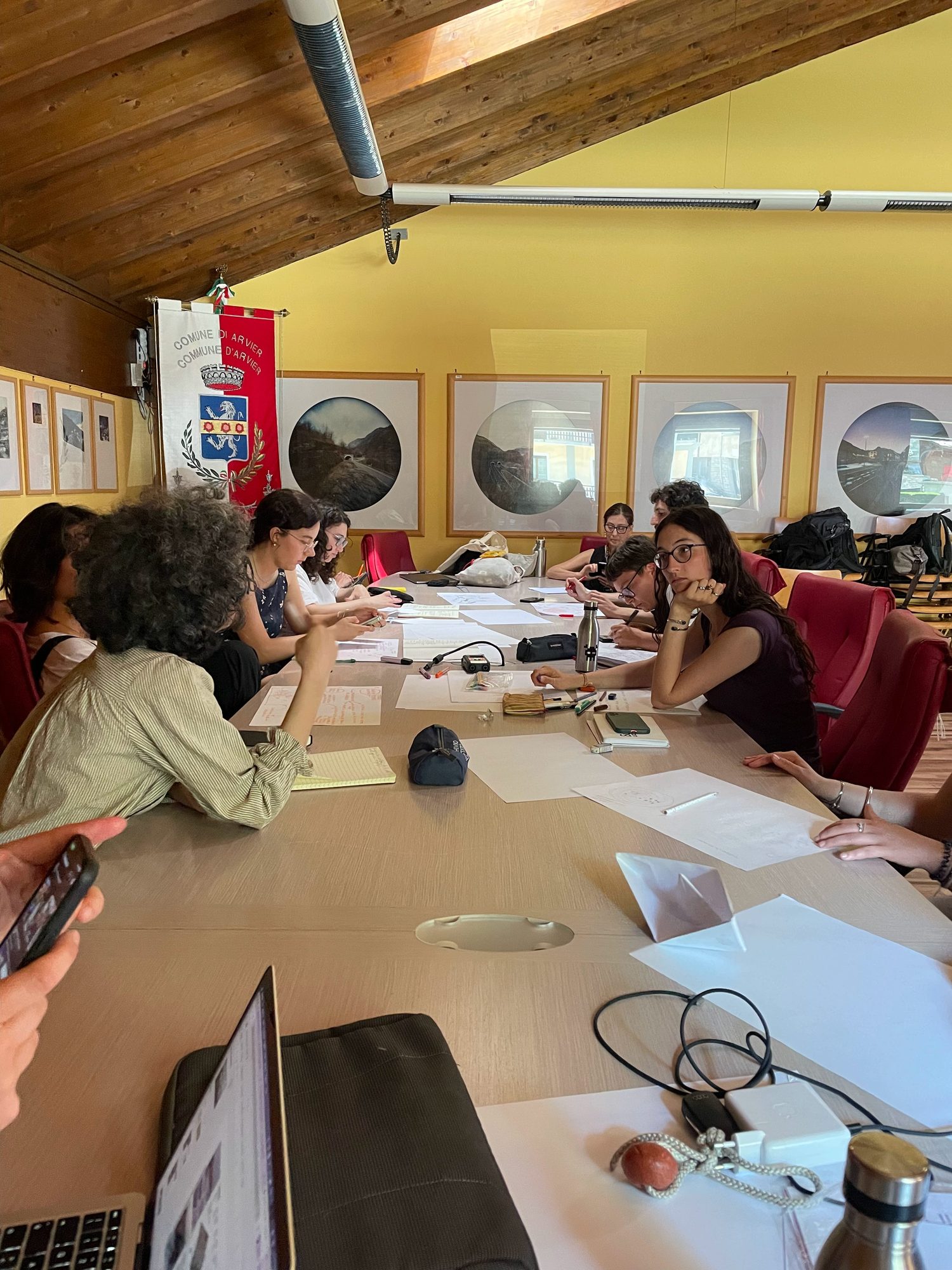
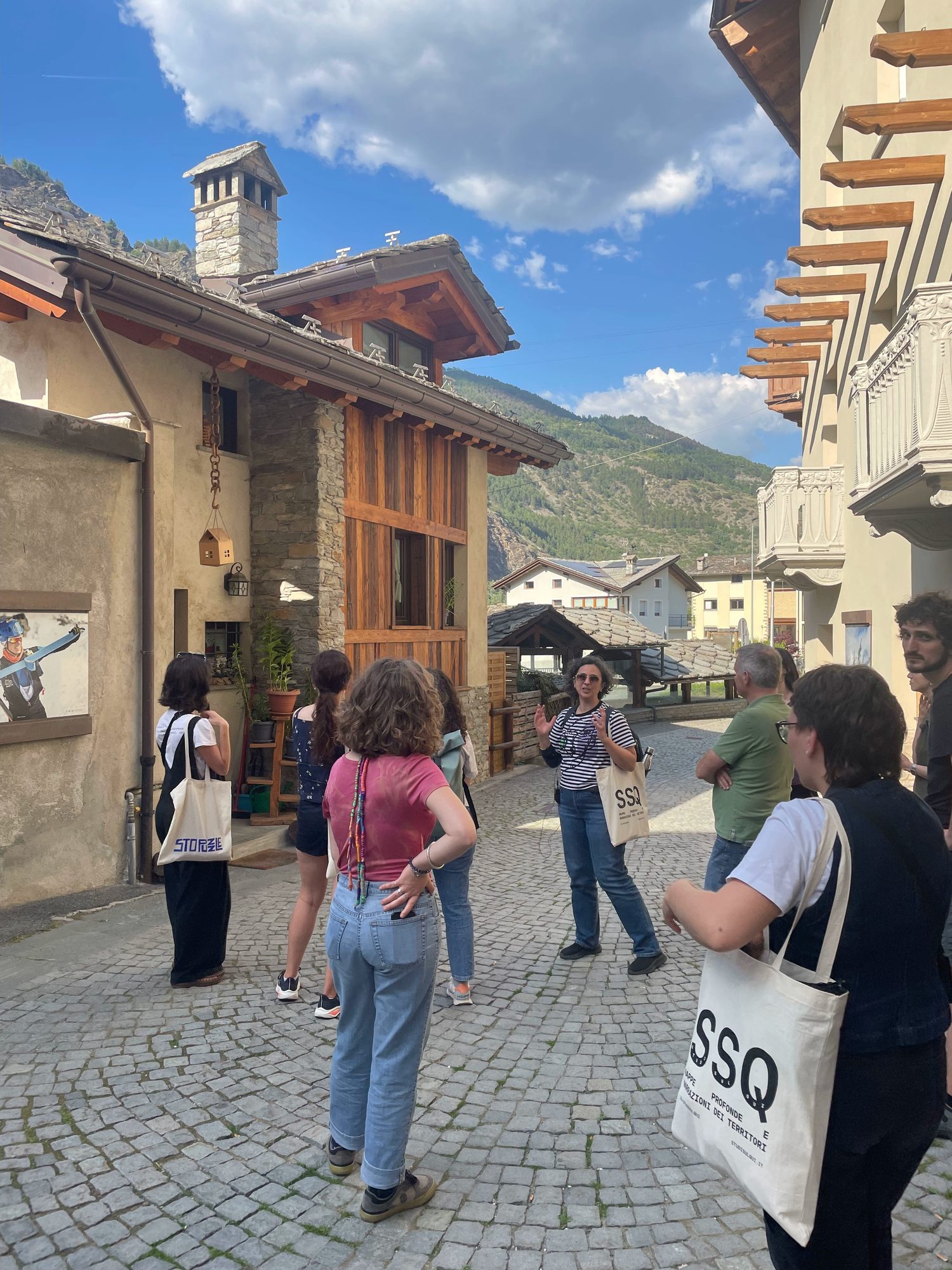
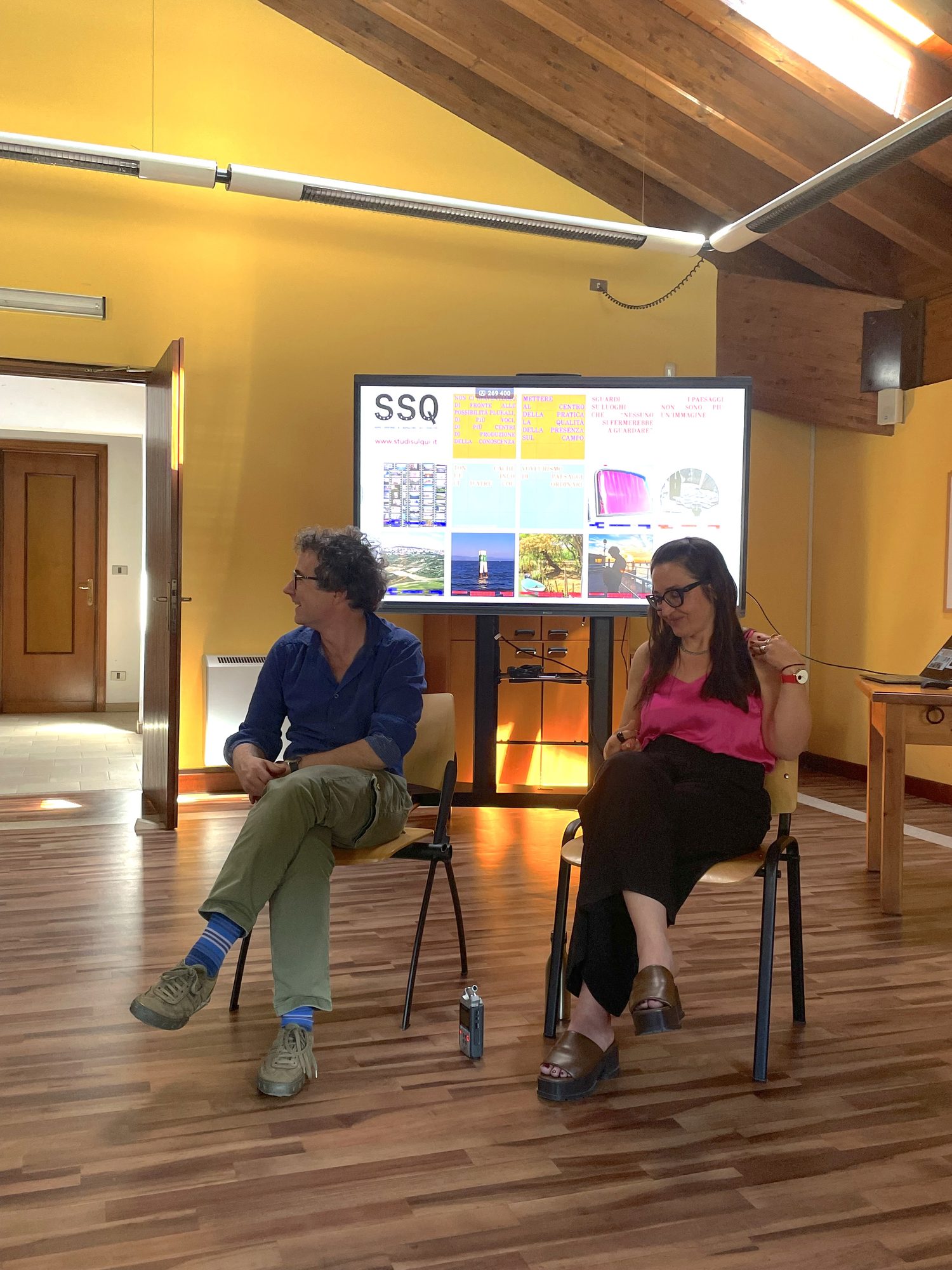
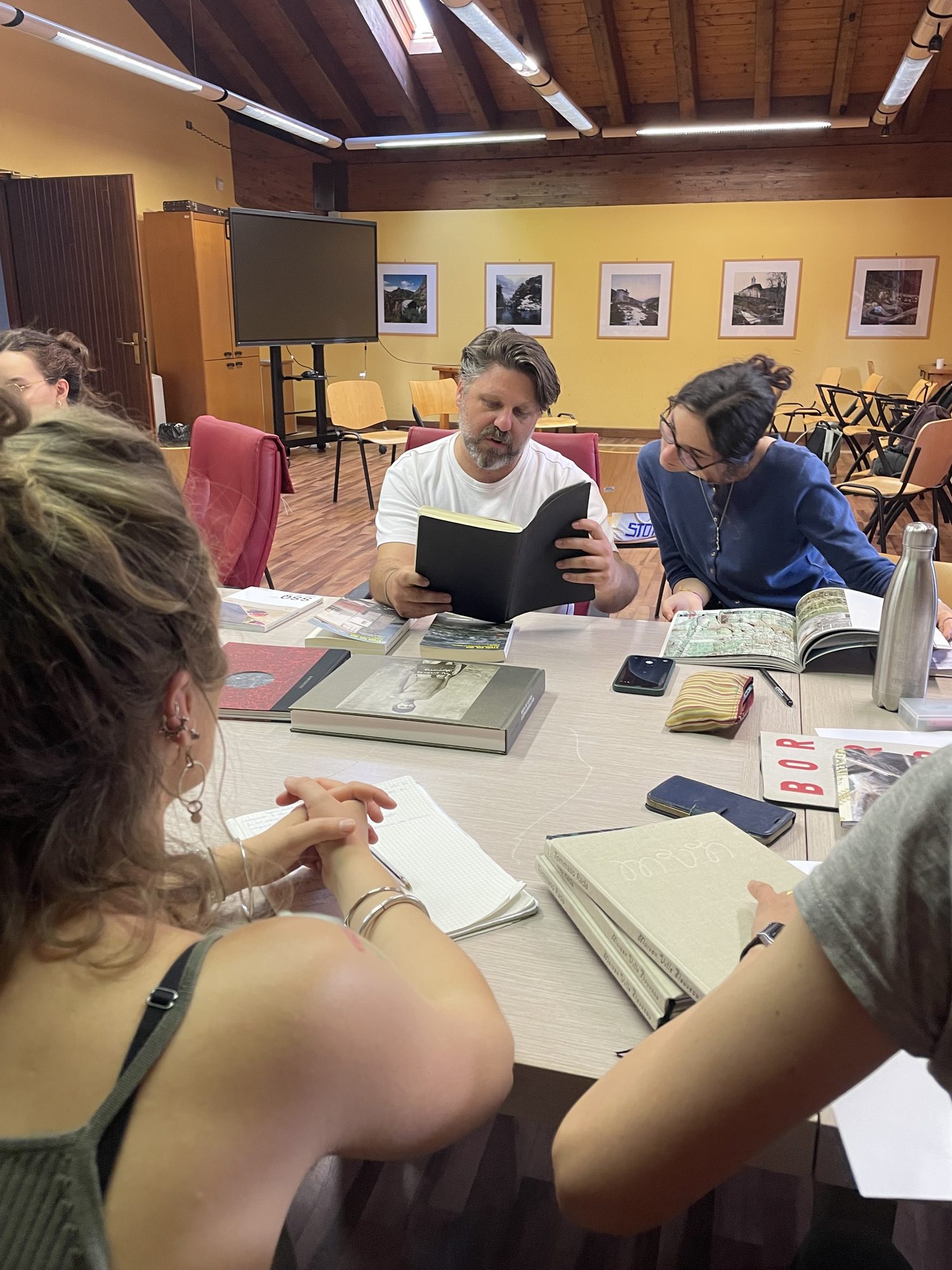
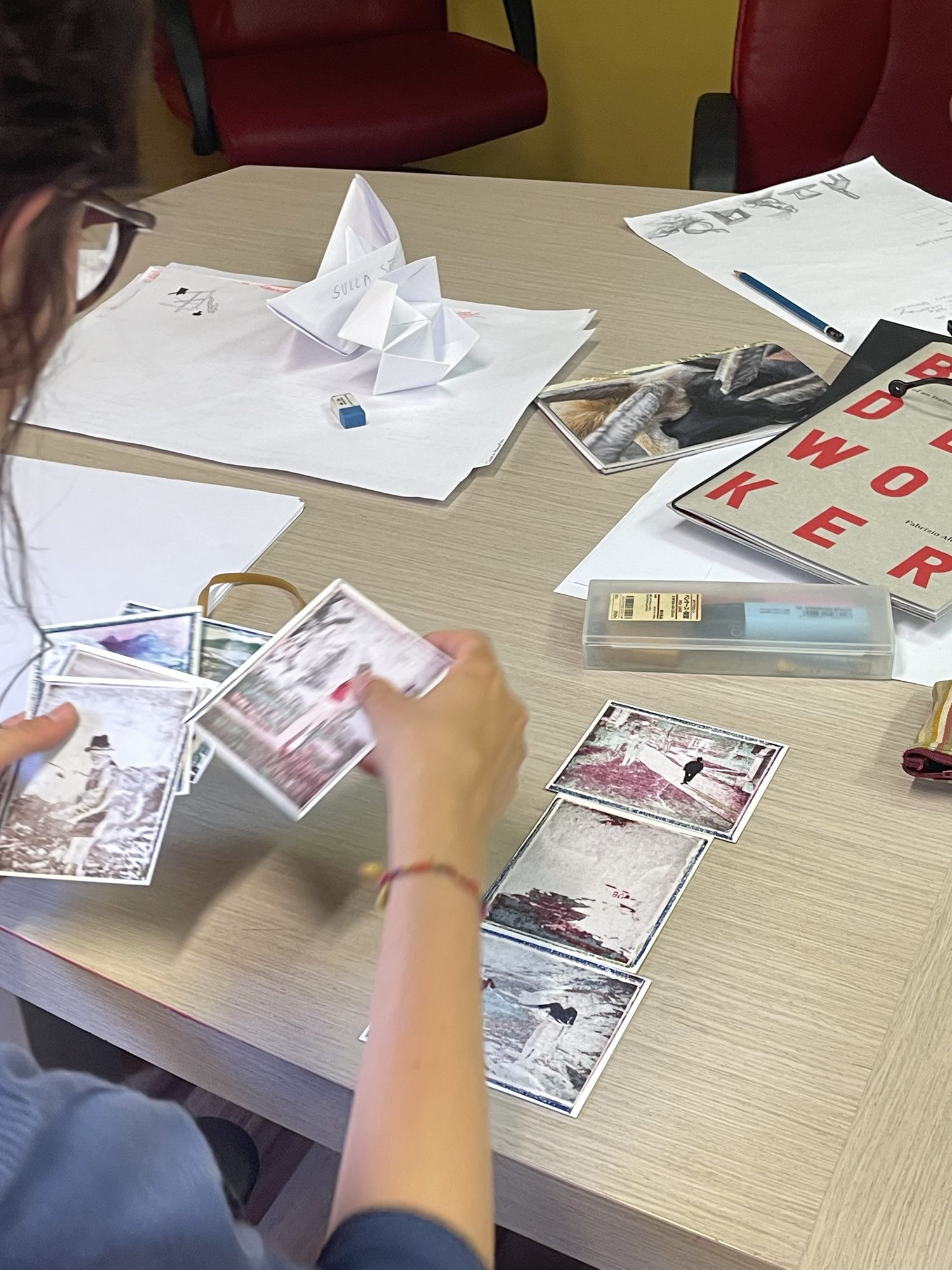
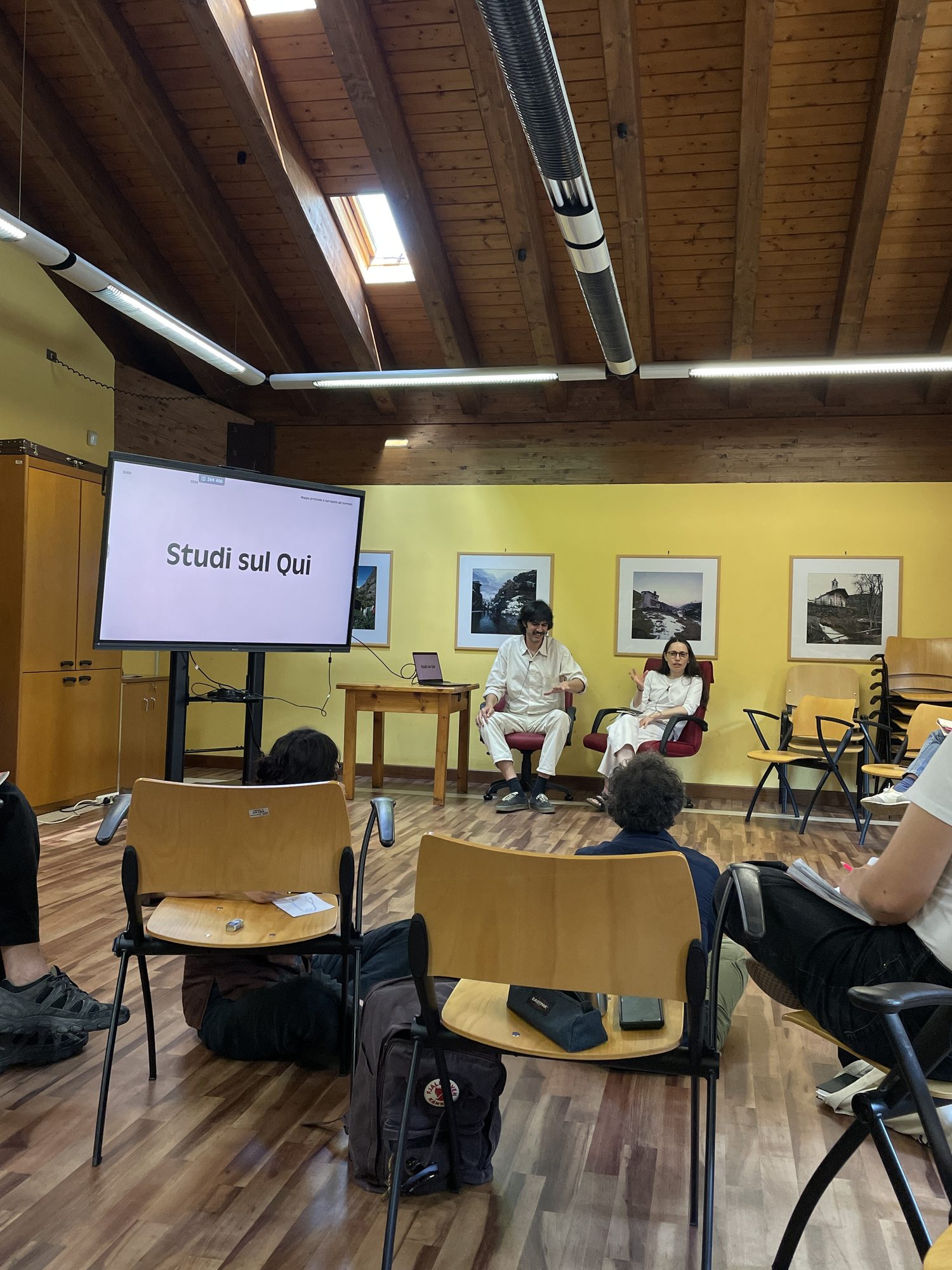
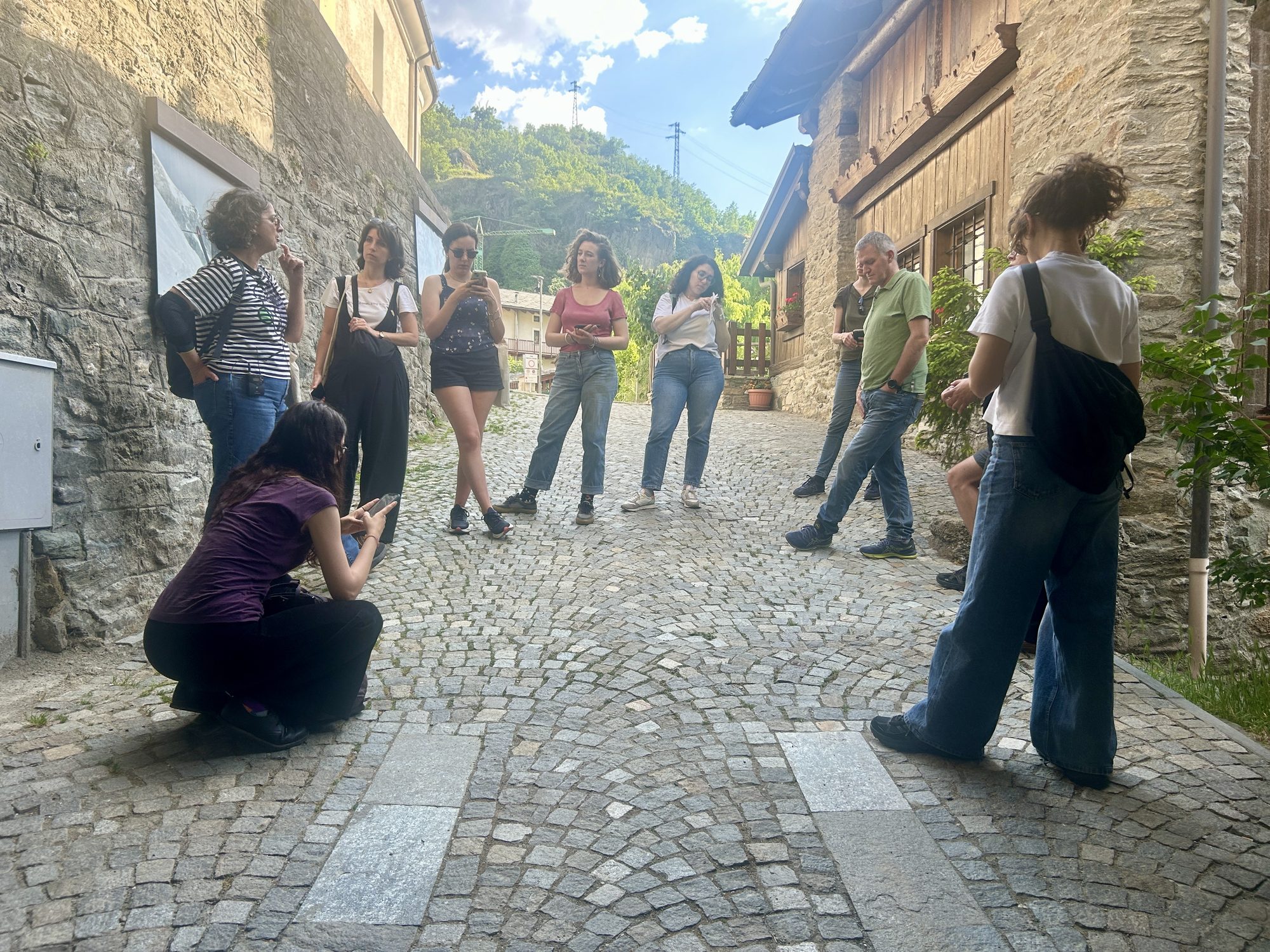
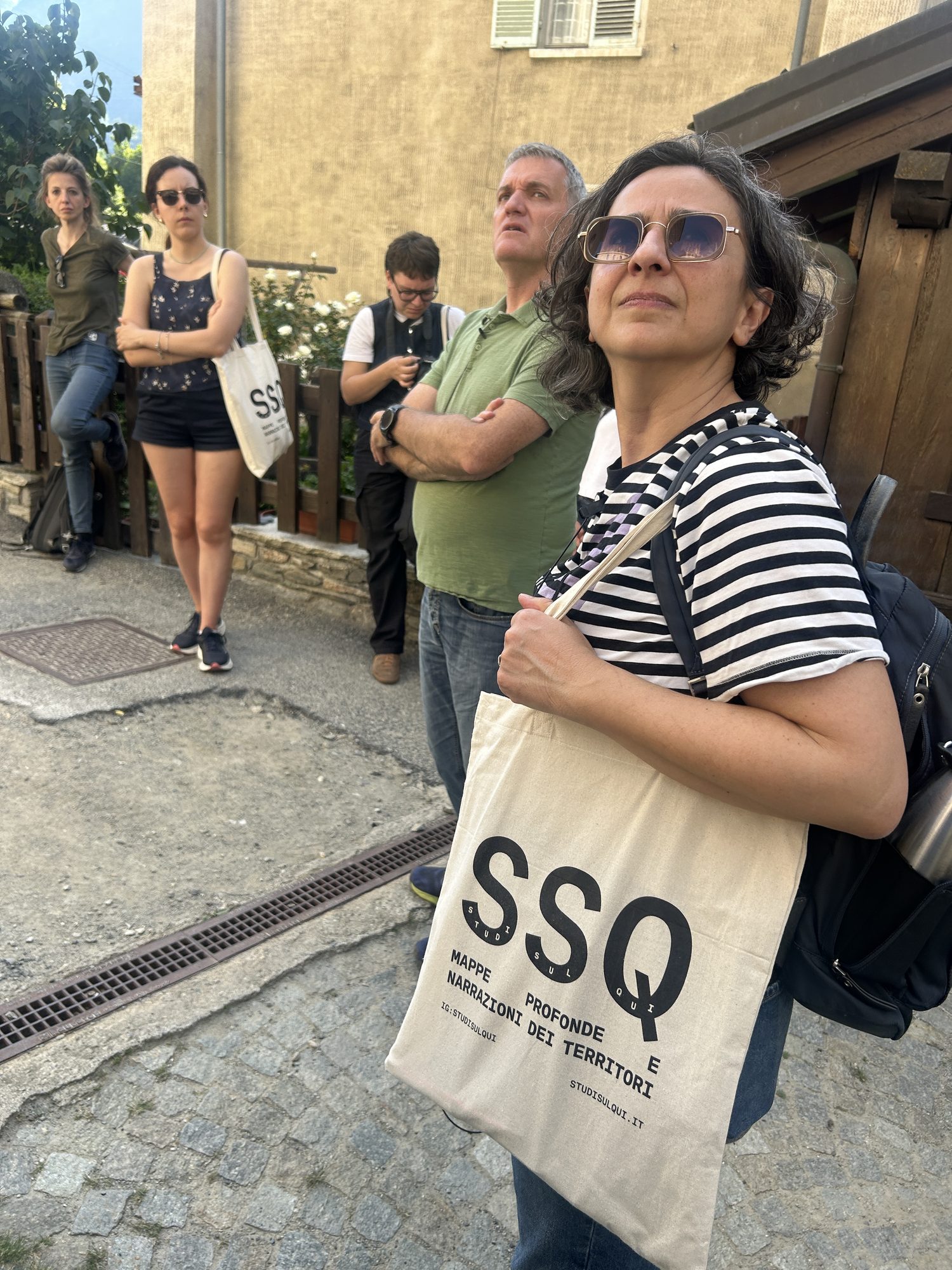
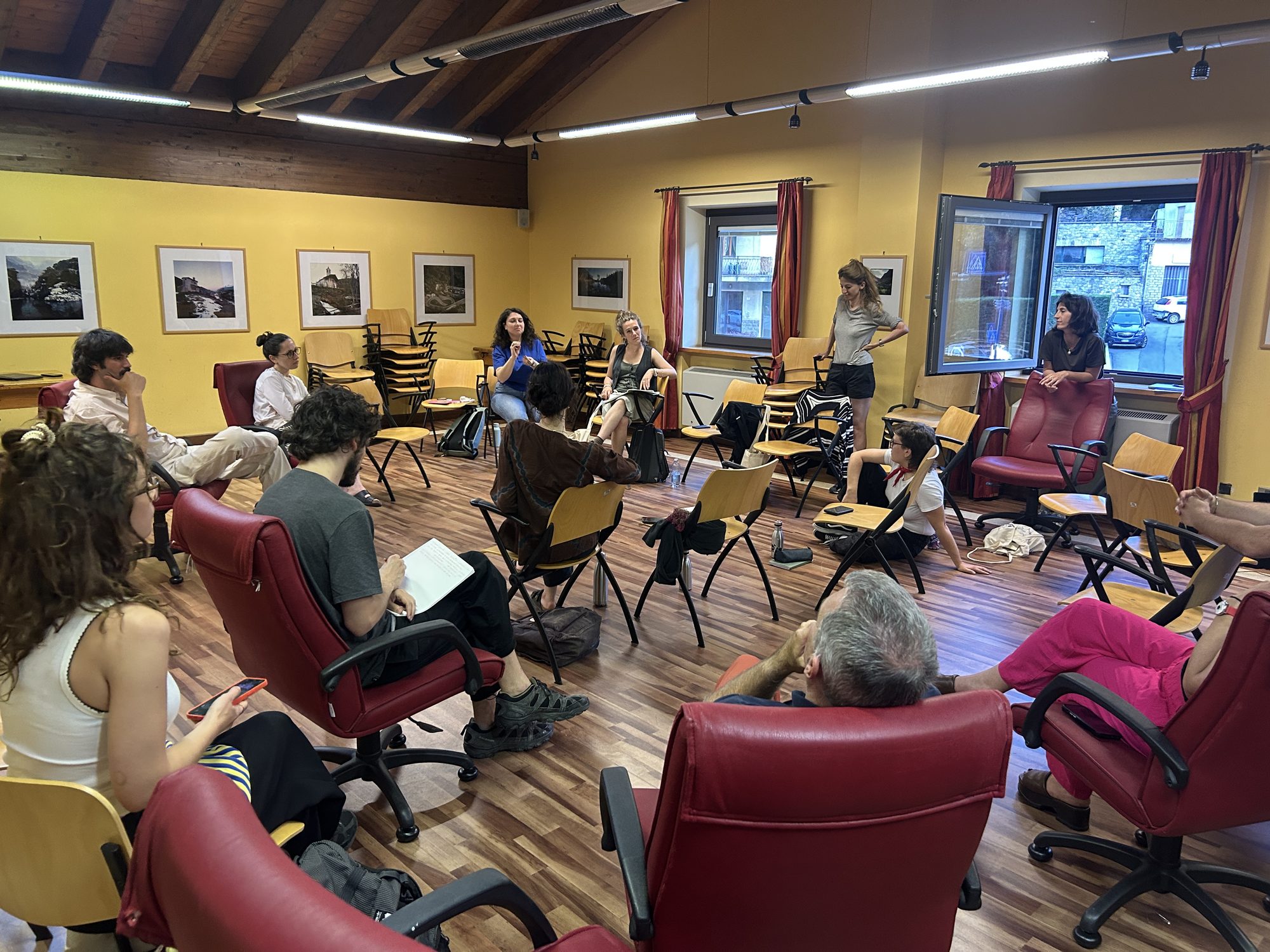
A maggio 2026 si è svolta la prima edizione dell’Officina. Dal 25 al 30 un’équipe eterogenea, composta da persone provenienti da varie parti d’Italia, si è incontrata intorno al bancone dell’Officina, ad Arvier (AO). Le sei giornate, piene di discussioni, scambi di buone pratiche e strumenti attorno al tema dei territori e della loro rappresentazione, hanno permesso al gruppo di ragionare in modo sinergico e propositivo sui “problemi” portati. Ovviamente, non sono mancati i momenti di svago e convivialità: passeggiate, riposini attorno al laghetto, gelati al gusto viola di Leverogne e tante chiacchiere.
PROGRAMMA Pensare gli schemi, fuori dagli schemi: antropologia delle istituzioni e delle politiche. Con Dorothy Zinn e Daniela Salvucci, antropologhe socio culturali. Geografia, cartografia e contro-cartografia: i rischi di pensare, narrare, agire sui territori in maniera universale. Con Tobias Boos Hodologia: interpretare i contesti attraverso il cammino. Con Chiara Rizzi Policy e sviluppo locale. Di cosa parliamo quando parliamo di sviluppo locale? Con Angela Rosa Rollando Policy e valutazione: bei progetti! E come si valutano? Basi di valutazione delle policy. Con Fabrizio Scotti Psicologia sociale: le survey territoriali. Con Marco Boffi Studi Sul Qui: geografia dei luoghi che nessuno si fermerebbe a guardare. Con Eleonora Mastropietro e Daniele Ietri Fotografia: saper leggere, distinguere e criticare le immagini dei luoghi. Cosa significa contro-narrare un territorio oggi. Con Alessio Zemoz Curatela, arte pubblica, residenze: che impatto hanno le installazioni e le residenze sul territorio, cosa resta? Con Luca Bertoldi Documentario, cinema: saper scegliere le immagini in movimento. Cosa significa contro-narrare un territorio oggi e immaginari mainstream della montagna. Con Aldo Spiniello e Eleonora Mastropietro Progettazione grafica per i territori: forme e processi. Con ascionemagro Varie sessioni sui “problemi”. Momenti di confronto e dialogo collettivo.
L’Officina è un progetto di Studi sul Qui sostenuto da “Agile Arvier. La cultura del cambiamento”, con l’Università degli Studi di Milano e la Libera Università di Bolzano e in collaborazione con l’Associazione La Fournaise Studi sul Qui è ideato e coordinato da Daniele Ietri e Eleonora Mastropietro PNRR – M1.C3.INV.2.1 “ATTRACTIVENESS OF VILLAGES – LINE A”, ADMINISTERED BY THE MINISTRY OF CULTURE PROGETTO PILOTA “AGILE ARVIER. LA CULTURA DEL CAMBIAMENTO”, FINANZIATO DALL’UNIONE EUROPEA – NEXT GENERATION EU (CUP F87B22000380001)
